Uploaded by Jenna Grossano on 2019-07-10.
www.fost.org
2017 Future of StoryTelling Summit Speaker: Eli Pariser, Co-Founder & Co-CEO, Upworthy
After the election of Donald Trump, an international conversation began around the role of the media, and broader themes of authority, and truth. Fake-news stories—such as the Pope endorsing Donald Trump—influenced public opinion and led many to wonder how we could be so easily misled. Eli Pariser, cofounder of Upworthy and author of the 2011 New York Times best-seller “The Filter Bubble,” aptly predicted that online personalization would shape what we learn, what we know, and how our democracy works. Six years later, Pariser examines how our primal and instinctual modes of trust and identity function in a world where the very definition of truth is at stake. In order to move past this crisis of trust, Pariser suggests that the media needs to move towards a more emotional, human way of storytelling while the people need to take a more fact-based mode of media consumption that questions sources and the process by which they arrived in our feeds.
Apply to attend the FoST Summit here: futureofstorytelling.org/summit/
Learn more about FoST Fest here: https://futureofstorytelling.org/fest
Stock Media provided by www.pond5.com
Find us on Twitter: twitter.com/fostorg
on Facebook: facebook.com/futureofstorytelling
and Instagram: instagram.com/futureofstorytelling/
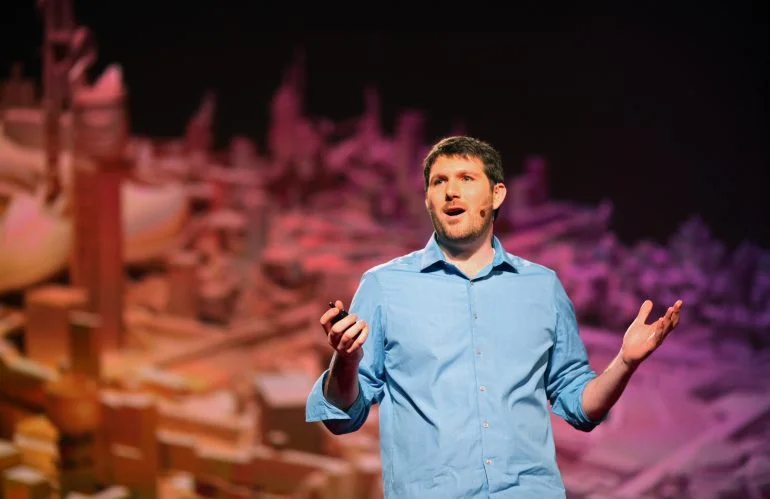
Right now, people have access to more news sources than ever before, but do we really know what's going on in the world? Eli Parser, founder of Upworthy, believes that serious news needs a serious makeover, and at TEDxPoynterInstitute, he explains his ideas to make reading meaningful news more appealing.
If you've ever spent a few hours cruising the web, you've probably noticed how search results and side-bar advertisements slowly begin to populate the sites you look at, articles you read or online outlets you shop.
Eli Pariser, co-founder of Upworthy, examines how technology can elevate important topics in the world. He looks at the traditional media of today and proposes a new ecosystem of community-focused, impact-oriented digital media channels and entities.